
There’s a scene playing out next to my home in Dubai Marina right now that captures the whole contradiction. Restaurants are full. And every so often, people step out onto their balconies to watch UAE air defence systems intercept incoming missiles before heading back to their Malbec.
Morbid? Maybe. But also, somehow, completely on brand.
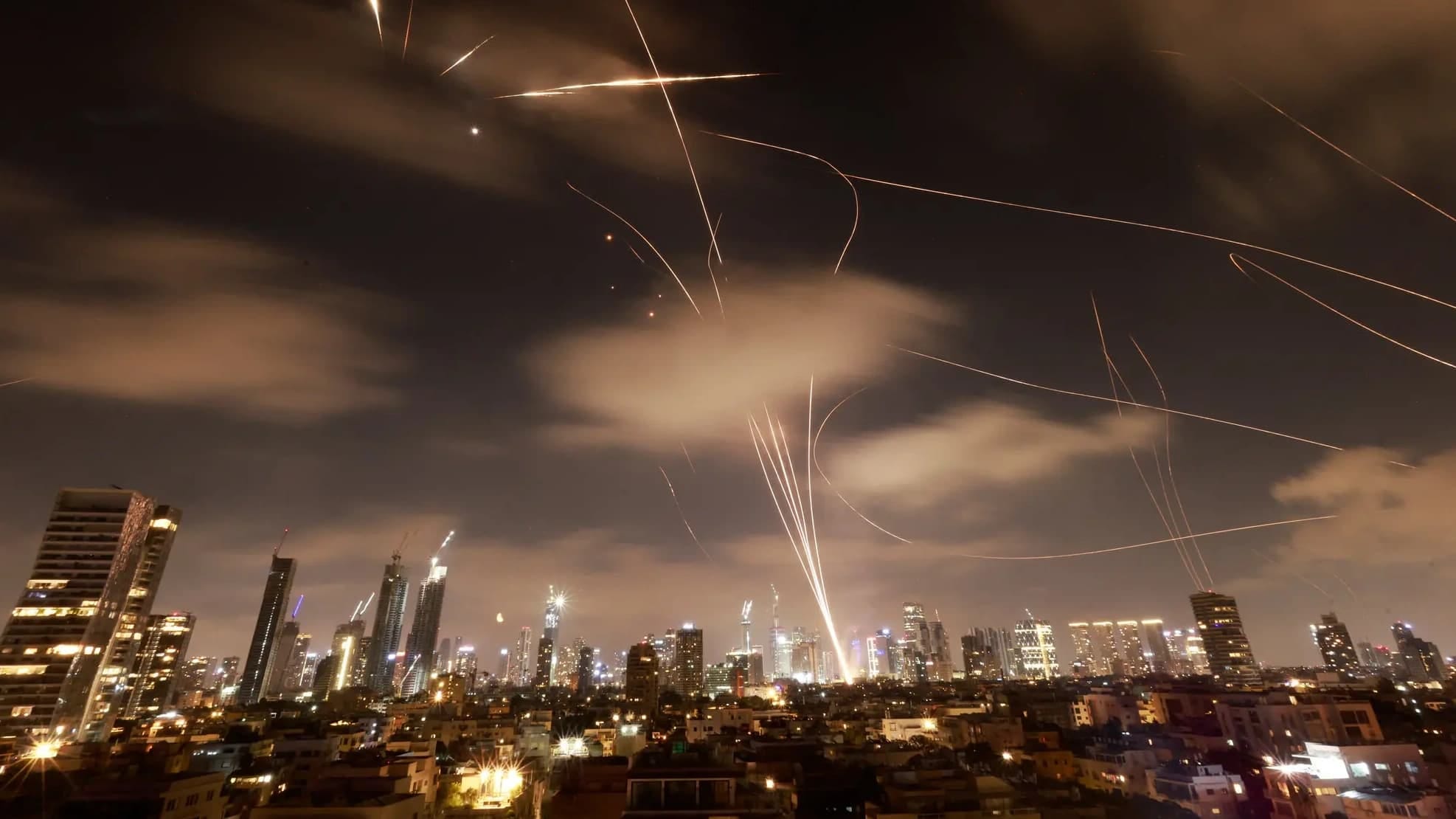
The Iran war is not a distant rumble for the UAE. It’s overhead, literally.
A City Built for This Moment
Dubai’s trajectory is one of the most deliberate economic stories of the last 50 years. A fishing village in the 1970s. A regional trade hub by the ‘90s. The launch of Emirates airline arguably the single most important piece of infrastructure the city ever built turned a desert stopover into the connective tissue of global mobility.
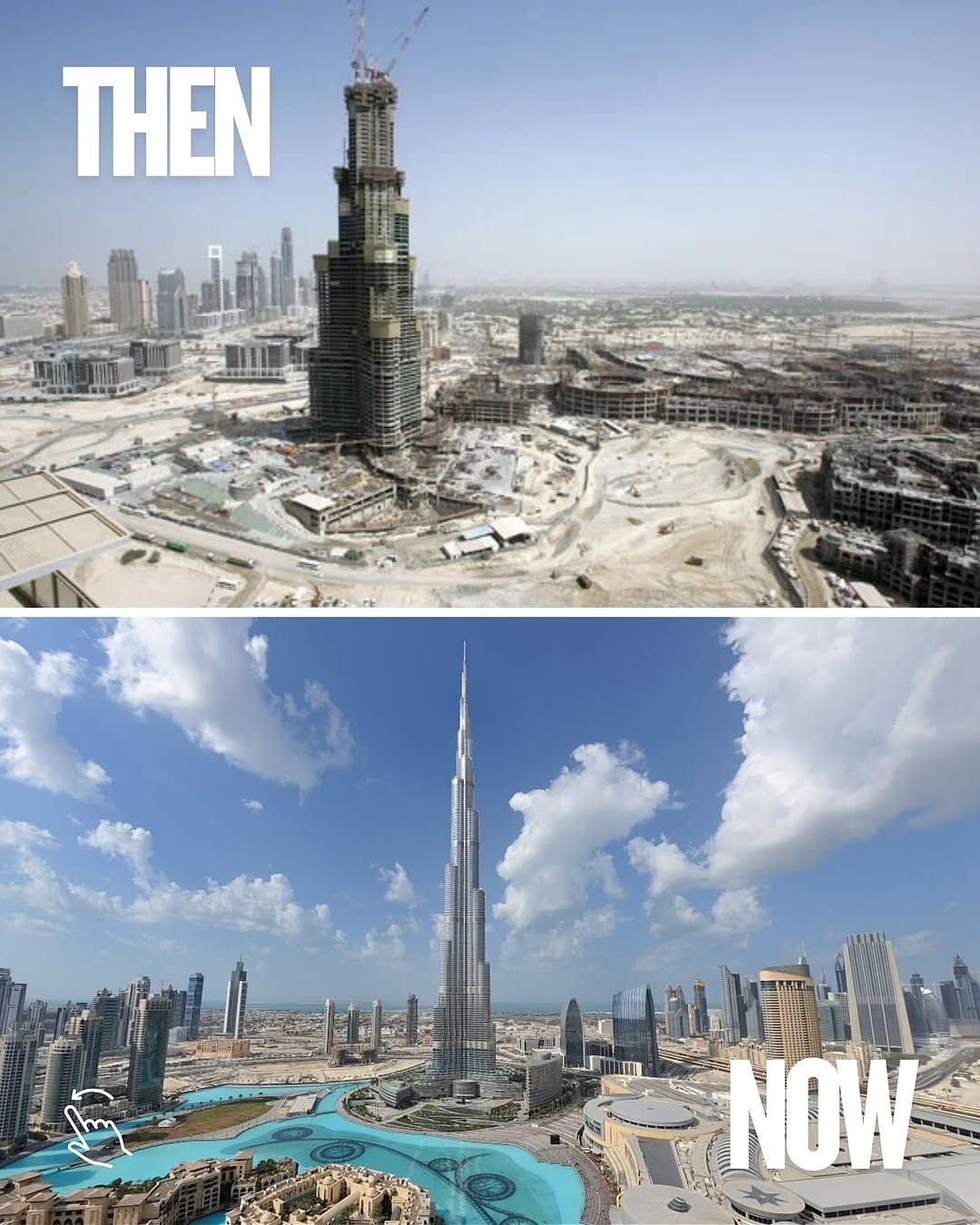
Today Dubai is the world’s sixth most visited city. That didn’t happen because of oil. Abu Dhabi has the oil. Dubai built an economy on openness, movement, and the relentless aggregation of global talent.
That model has a hidden superpower: it was stress-tested long before this war.
Iraq’s invasion of Kuwait. The 1998 oil crash. 9/11. The global financial crisis. The Arab Spring. Covid. Each time, the UAE absorbed the shock, restructured, and came back larger. Since 1990, the economy has grown at an average of 4% annually in real terms, a track record that most mature economies would envy, let alone ones operating in the most contested region on Earth.
The lesson isn’t that the UAE is immune. It’s that it has built the institutional muscle to absorb and respond. There’s a difference.
The Architecture of Resilience
The UAE didn’t stumble into resilience. It has been engineering for this exact moment for two decades.
Non-oil sectors now account for a record 77% of UAE GDP, the highest in the country’s history.
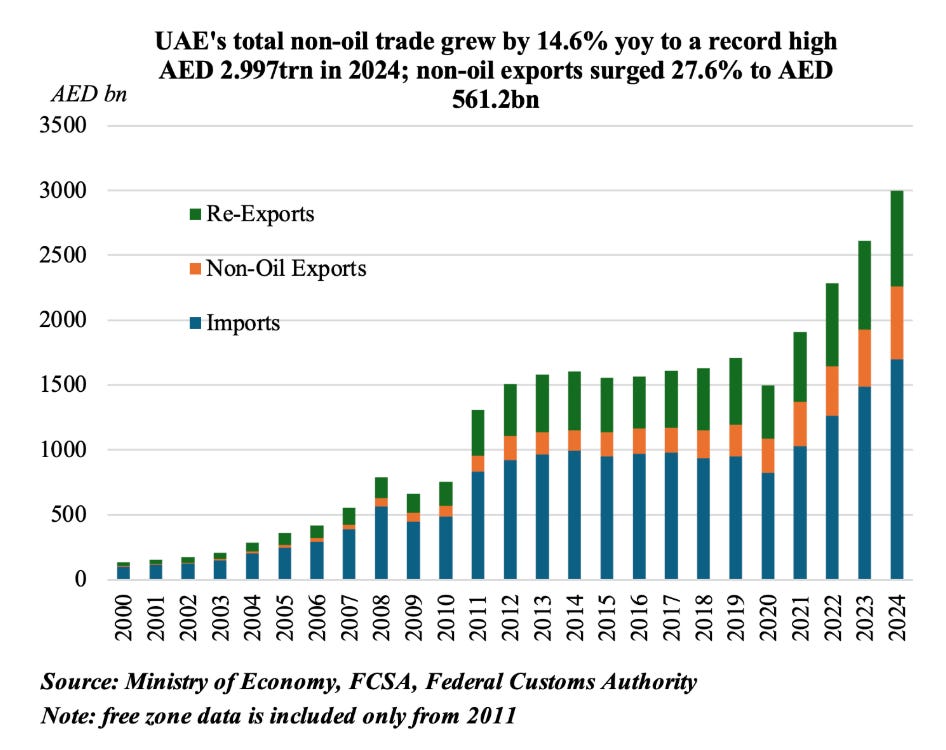
The IMF was projecting 5% growth for 2026 before a single Iranian missile had been fired, specifically citing the UAE’s sovereign buffers as its shield against external shocks. This isn’t a petro-state crossing its fingers.
The air defence intercepts over Dubai are the visible tip of a system that has been layered, redundantly funded, and repeatedly war-gamed. The UAE has spent years building integrated defence networks with multiple suppliers, joint training with allies, and hardened critical infrastructure designed to keep functioning under stress. The point was never to make the country untouchable. It was to make it absorbable: an attack might shock the system, but not shut it down.
The state has also built a crisis playbook, and the muscle memory to run it. During Covid, stimulus packages, fee waivers, and targeted support for aviation, tourism, and SMEs were rolled out in weeks, not years. Abu Dhabi’s $1.8 trillion in sovereign wealth, roughly four times the country’s entire GDP, means the fiscal muscle to do it again is entirely intact. Centralised decision-making, execution-oriented agencies, balance sheets big enough to backstop private demand. When missiles fly, the system doesn’t improvise from zero. It reaches for a tested manual.
That resilience is not an accident of geography. It’s a built asset.
EDGE Group: The Real MVP Nobody’s Talking About
Most people watching the interceptions light up the Dubai sky assume it’s American hardware doing the work. Fair enough, but only partly.
Since 2019, the UAE has been quietly building EDGE Group, which in just six years has become one of the top 25 defence companies in the world by revenue ($6B in 2025).
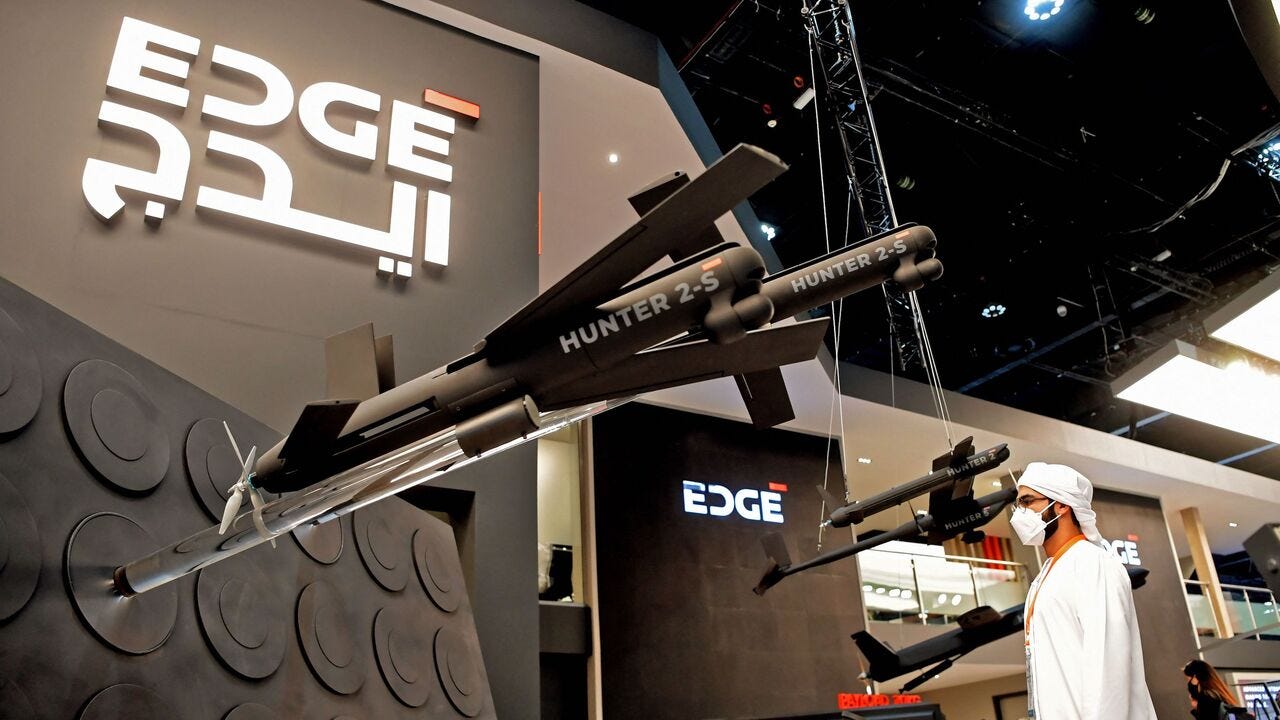
What makes it interesting isn’t the growth, it’s the operating model. EDGE runs less like a traditional defence contractor and more like a sovereign venture platform: identifying the world’s most promising defence technologies and ventures, pulling them into the UAE through JVs and global partnerships, and using the country as a launchpad to sell back into the region and beyond. This week is its live proof of concept.
A full post on EDGE is coming. The business-building model alone is worth an hour of your time.
The Geopolitical Argument Nobody Wants to Say Out Loud
Here’s the uncomfortable question that LPs, family offices, and founders are quietly working through: if not here, then where?
Western Europe is rearming. Defence budgets are spiking, conscription debates are back on the table, and the continent’s political centre is fracturing in ways that were unthinkable five years ago. Singapore is skilled, stable, and deeply aware that it sits in a contested corridor between two superpowers. The Antipodes are genuinely safe but genuinely far from everything. The US has the geographic luxury of two oceans, but it’s too dominant, too internally consumed, too nakedly transactional right now to serve as the world’s neutral space.
That leaves a narrow field of places that are geographically connected, politically non-aligned, institutionally stable, and genuinely open to foreign capital and talent.
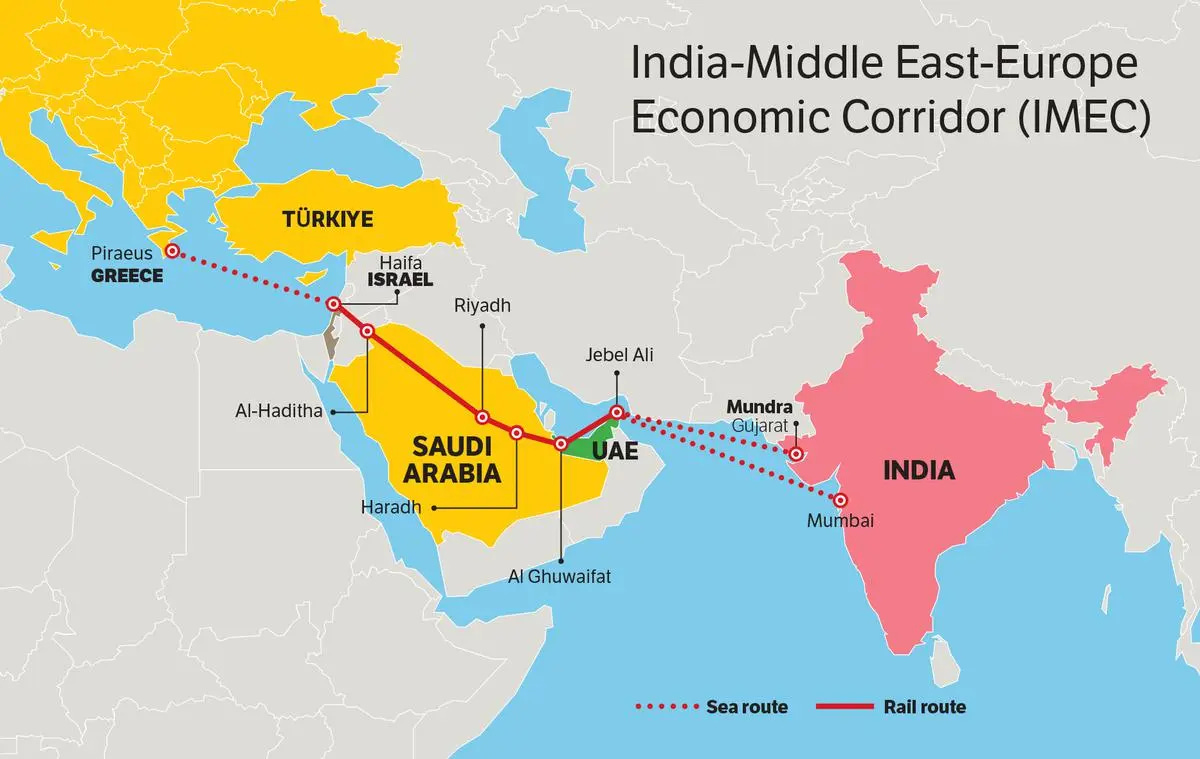
The UAE and specifically Abu Dhabi’s long game is the clearest answer to that set of criteria. The Abraham Accords weren’t just a diplomatic moment. They were a declaration of strategic intent: the UAE would not be defined by the region’s conflicts. It would define itself around openness, connectivity, and capital. That bet is being tested right now, in real time. And so far, the infrastructure is holding.
What This Means If You’re a Founder or Investor
For European founders looking at GCC expansion: the window hasn’t closed. If anything, the flight to stability accelerates capital concentration in the UAE, particularly Abu Dhabi. The sovereign wealth machine ADIA, Mubadala, ADQ doesn’t pause during instability. It deploys into it.
For LPs and family offices sitting on the fence about Gulf exposure: the resilience argument just got a live test. Watch the Q1 earnings, the March PMI, school enrolments in September. The leading indicators will tell you whether the structural thesis holds. My read is that they will.
For GCC-based operators: position now. The companies that moved fast in 2020 captured disproportionate upside. The same dynamic will likely repeat.
The Only Game in Town
There’s something almost philosophical happening here. The world is sorting itself into blocs politically, militarily, economically. The pressure to pick a side is intensifying everywhere. And in the middle of it, quite literally, sits a state that has staked its entire identity on refusing to do exactly that.
That’s not naivety. It’s strategy. Arguably the most sophisticated long-term strategy in the region.
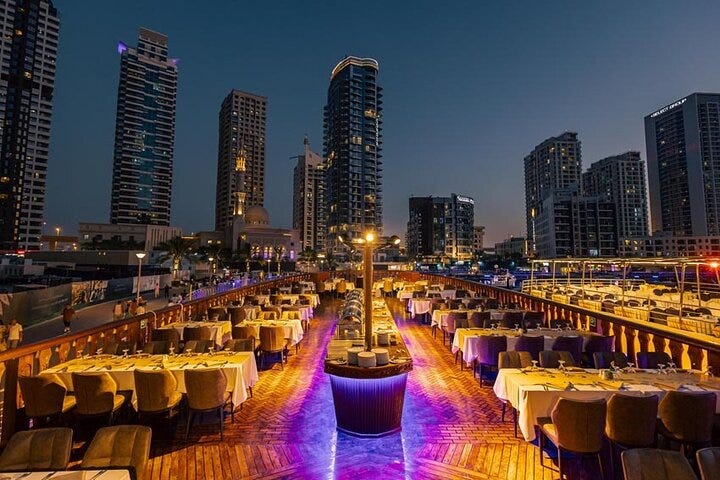
Fishing village to global hub in 50 years. Missiles overhead, restaurants full, deals getting done.
The UAE wasn’t built despite instability. It was built for it.